

Changes in Settlememt-Subsistence Practice in Prehistoric Japan

Together with my collaborators, I conducted GIS analyses of the settlement patterns of Jomon archaeological sites in the northern part of the Tohoku region in Japan, and the results were used to understand changes in Jomon site distribution patterns. Preliminary results of our analyses were presented at the ARF lunch talk titled "Jomon Subsistence-Settlement Practice and Environmental Management: A View from Northern Japan" on April 9, and we are currently preparing a journal article manuscript. 
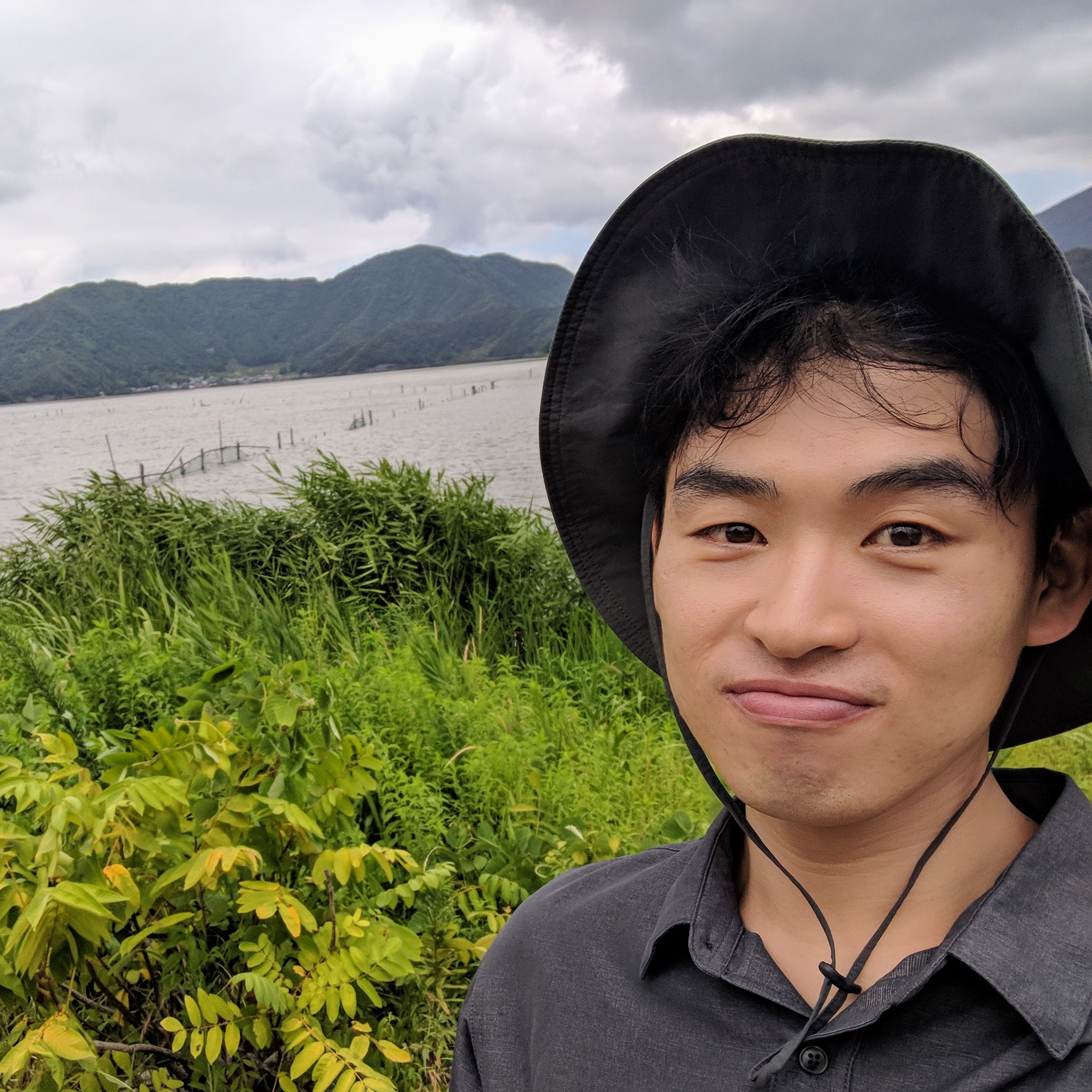
Habeom Kim

Research Associate

Habeom has been conducting archaeological research in East Asia focusing on migration and cultural transition processes during prehistoric periods in Korea and Japan. His research topics include long-term human-environment interaction, social complexity, demographic processes, and cultural landscape. He specializes in Geographic Information System (GIS), data analysis/visualization, and computational methods. He is particularly interested in leveraging these methods on existing archaeological dataset residing in open source and grey literature to generate new insights about the past.

Region(s): 
East Asia
Research Theme(s): 
Data Analysis, GIS, Computational Analysis

Anna Nielsen

Anna Nielsen
Graduate Student

Research interests: Environment and landscape, resilience and sustainability, GIS analysis, state formation processes, and disaster archaeology in Japan’s Kofun period

研究対象:環境とランドスケープ、持続可能とレジリエンス、地理情報システム(GIS)、国家形成プロセス、自然災害考古学、日本の古墳時代。 


Region(s): 
Japan
Research Theme(s): 
Environment and landscape, resilience and sustainability, geospatial, GIS, state formation processes, disaster archaeology, Kofun period