

Changes in Settlememt-Subsistence Practice in Prehistoric Japan

Together with my collaborators, I conducted GIS analyses of the settlement patterns of Jomon archaeological sites in the northern part of the Tohoku region in Japan, and the results were used to understand changes in Jomon site distribution patterns. Preliminary results of our analyses were presented at the ARF lunch talk titled "Jomon Subsistence-Settlement Practice and Environmental Management: A View from Northern Japan" on April 9, and we are currently preparing a journal article manuscript. 

Archaeometallurgy and Historical Ecology on the 5th and 6th Century Osaka Plain

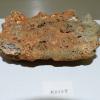
Slag

Excavated sporadically for over thirty years, Ōgata in Kashiwara City and Mori in Katano City are the largest-scale Kofun Period ironworking sites in Osaka Prefecture, Japan. Large numbers of forging slags have been unearthed from both sites, which alongside partially preserved hearth features, provide the bulk of evidence for ironworking. Following methods developed by French archaeometallurgists, novel analyses of these forge slags correlate different slag materials with different forging activities.

Junko Habu

Junko Habu
Affiliated Faculty

Archaeology and anthropology of hunter-gatherers and small-scale societies; human-environmental dynamics; sedentism; landscape archaeology; sociopolitics of archaeology; climate change; local and global environmental issues; Japan, East Asia and the North Pacific Rim.

Region(s): 
Pacific, Japan, Asia
Research Theme(s): 
historical ecology, hunter gatherers, small-scale societies, sedentism